Identification Blue Morphos have a wingspan of 5 to 6 inches (12 to 15 cm), making them one of the largest butterfly species. The upper side of their wings is a vivid, metallic blue caused by light reflection from tiny scales. The underside, in contrast, is brown with several eye spots, providing excellent camouflage when resting. Behavior.. Some of the most dazzling insects in the world are blue butterflies. With their iridescent wings and delicate forms, these rare beauties bring color to grasslands, coastal areas and conservation efforts alike.

BBC Radio 4 Radio 4 in Four Why you need more light in your life

led outdoor lights vs high pressure sodium outdoor lights

Gratis billeder glødende, nat, sollys, afspejling, flamme, mørke

God is light!

Speed, Efficiency and Agility Vornex Blog

Visible Light Visible Spectrum Spectrum

Download Light Pictures

Theory of Light MACON ENGINEERING
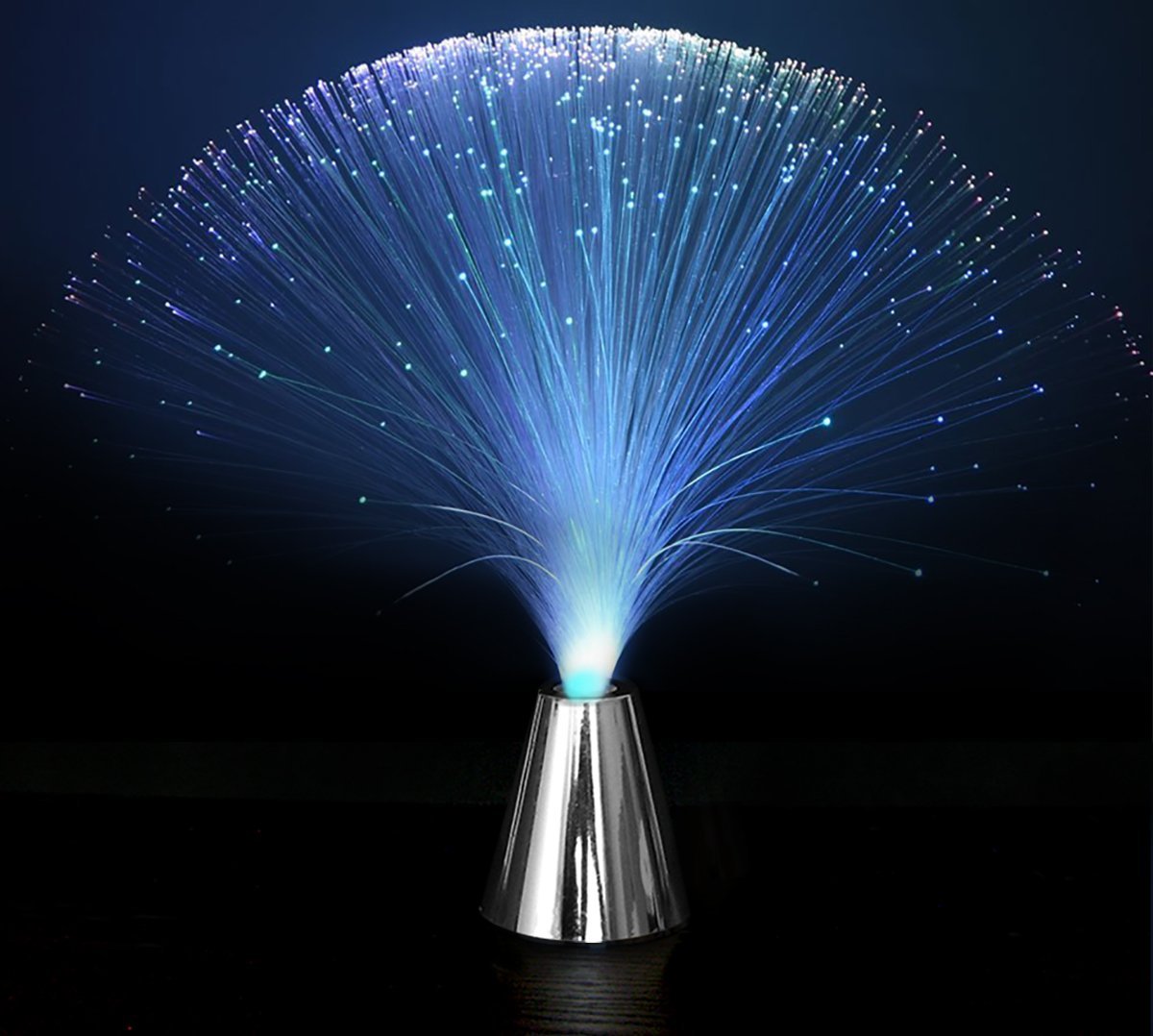
Choosing The Right Fiber Optic Lamps For Home Use Warisan Lighting

A Complete Review of light and It’s Properties GenGuide

17 Interesting Facts about Light Fact City

Best Colored Light Bulbs

Historic First Scientists Turn Light Into Supersolid

The Art of Capturing Light Basics of Photography Series Part 6

Six great activities for teaching primary students about light STEM

What Is Diffused Light Complete Guide [With Examples & Tips]

The Mystery of Light Gregory Sams Blog
The importance of light Blog

17 Interesting Facts about Light Fact City

Light Leaving Cert Physics
Blue butterflies, including black and blue species, are rare and significant, often seen as omens of change and transformation. This article highlights 12 types of these butterflies, showcasing their vibrant colors and unique patterns.. The Ceraunus Blue butterfly is also common in some regions, identified by its light blue upperwings and gray undersides with white bands. These butterflies adapt to a range of environments, and their widespread presence demonstrates that not all blue-winged species are rare.